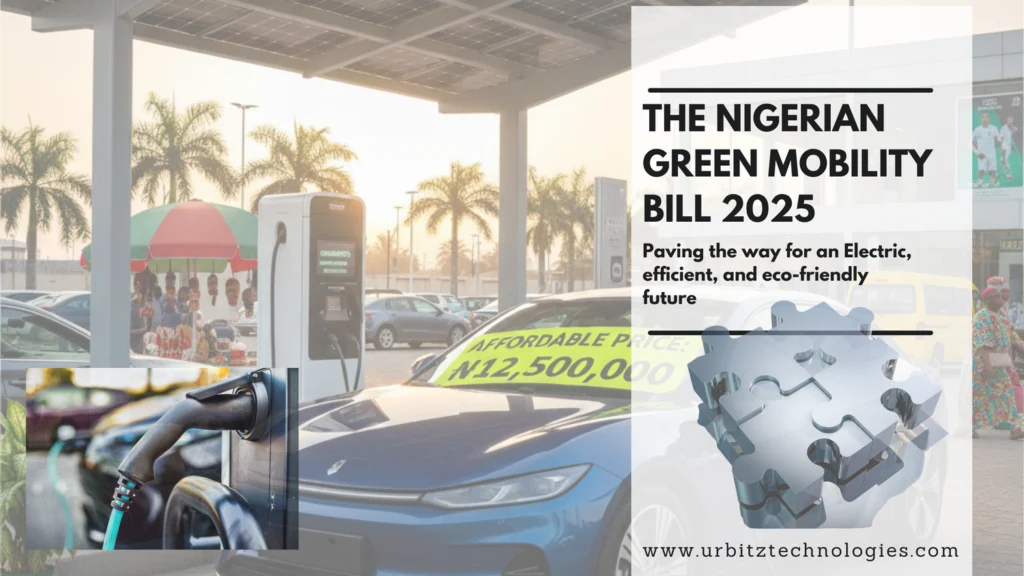
Imagine a Lagos during rush hour, but the air is clear, not thick with diesel fumes. Picture the quiet hum of electric vehicles gliding through Abuja’s streets and think of the relief on your wallet as you spend less on fuel every month. This isn’t a distant dream—it’s the future that the Nigerian Green Mobility Bill 2025 is designed to build.
Recently introduced and generating significant buzz, the Bill represents Nigeria’s most ambitious and structured push yet towards a sustainable transportation ecosystem. But what exactly is in it? And more importantly, how will it impact you, the everyday Nigerian? Let’s unpack this potential game-changer.
What is the Green Mobility Bill 2025?
At its core, the Green Mobility Bill is a proposed piece of legislation aimed at accelerating Nigeria’s transition from a fossil fuel-dependent transport system to one powered by cleaner, more sustainable energy sources. It’s a comprehensive framework that tackles the challenge from multiple angles: manufacturing, infrastructure, consumer adoption, and environmental policy.
The Bill recognizes that transportation is a major contributor to Nigeria’s carbon emissions and urban air pollution, while also tying the nation’s economy to the volatile global oil market. This legislation is the strategic plan to break that cycle.
Key Pillars of the Bill: What’s on the Agenda?
The Bill is built on several foundational pillars, each designed to address a specific part of the green mobility puzzle.
1. Boosting Local Assembly and Manufacturing
The Bill isn’t about flooding the market with imported EVs. Instead, it focuses on creating a home-grown industry.
- Tax Incentives: Proposed tax breaks and duty waivers for companies that establish local assembly plants for Electric Vehicles (EVs), batteries, and charging components.
- Local Content: Provisions to encourage the use of locally sourced materials where possible, fostering a broader supply chain and creating jobs.
2. Making Green Vehicles Affordable for Nigerians
The upfront cost of EVs is a major barrier. The Bill aims to lower that hurdle through direct financial incentives.
- Purchase Incentives: Potential subsidies, tax rebates, or low-interest loans for individuals and businesses purchasing approved new or converted EVs.
- Import Duty Reduction: A significant reduction or elimination of import duties on completely knocked down (CKD) EV parts to make local assembly more viable.
3. Building the Charging Backbone: National Infrastructure
You can’t drive an EV if you can’t charge it. The Bill mandates a national rollout plan for charging infrastructure.
- Public Charging Networks: Incentives for private companies to install and operate EV charging stations in major cities, along major highways, and at public facilities like shopping malls and airports.
- Grid Integration & Renewable Energy: The plan encourages pairing charging stations with solar power to reduce strain on the national grid and ensure truly green energy.
4. A Just Transition for Public Transport
Recognizing that “Keke” and “Danfo” drivers are the lifeblood of Nigerian cities, the Bill includes a transition pathway.
- Conversion Kits & Incentives: Support for the development and certification of conversion kits to transform existing petrol-powered commercial vehicles into hybrid or electric ones.
- Staged Phase-Out: A proposed gradual phase-out of the most polluting commercial vehicles, paired with financing schemes to help drivers upgrade.
5. Powering the Shift with Stable Energy
The Bill acknowledges that a green transport revolution needs a reliable power source.
- Synergy with the Electricity Sector: It calls for closer alignment with power sector reforms to ensure grid stability and promote the use of off-grid solar solutions for charging.
Potential Benefits: Why This Bill is a Big Deal
If successfully implemented, the Green Mobility Bill could be transformative.
- For Your Wallet: Drastically lower fuelling costs—charging an EV can be a fraction of the price of petrol. Reduced maintenance (no more engine oil changes!).
- For Your Health: Improved air quality in cities like Lagos, Port Harcourt, and Onitsha, leading to a reduction in respiratory diseases like asthma.
- For the Economy: Creation of new, high-tech jobs in manufacturing, software, battery recycling, and charging infrastructure. Reduced reliance on fuel subsidies and fossil fuel imports.
- For the Environment: A significant cut in greenhouse gas emissions and noise pollution, positioning Nigeria as a responsible leader in the global fight against climate change.
Roadblocks and Challenges on the Path
The vision is bold, but the path is not without its potholes. Key challenges include:
- The “Power” Question: The elephant in the room. Widespread EV adoption depends on a more stable and widespread electricity supply.
- High Initial Investment: The government will need to secure significant funding and private sector investment to make the incentives and infrastructure a reality.
- Technical Capacity & Training: Building a skilled workforce for manufacturing, maintaining, and repairing these new-age vehicles is crucial.
The Road Ahead: What’s Next for the Bill?
The Green Mobility Bill 2025 is currently in the legislative process, undergoing debates, public hearings, and potential revisions. Its passage into law is not guaranteed, but its introduction has sparked a critical national conversation.
How You Can Get Involved:
- Stay Informed: Follow the news and official channels of the National Assembly.
- Voice Your Opinion: Engage with your elected representatives. Let them know you support progressive climate and transport policies.
- Start the Conversation: Talk about it with your friends, in your community, and on social media. Public support is key to turning this bill into law.
(Conclusion)
The Nigerian Green Mobility Bill 2025 is more than just a policy document; it’s a declaration of intent. It’s a roadmap for a future where Nigeria is not just a consumer of global green technology, but an active participant and leader.
It promises a Nigeria with cleaner air, quieter streets, a stronger economy, and more money in the pockets of its citizens. The journey to a green mobility future is a marathon, not a sprint, and with this Bill, Nigeria has just taken a very confident first step.
What do you think about the Green Mobility Bill? Are you ready to go electric? Share your thoughts in the comments below!