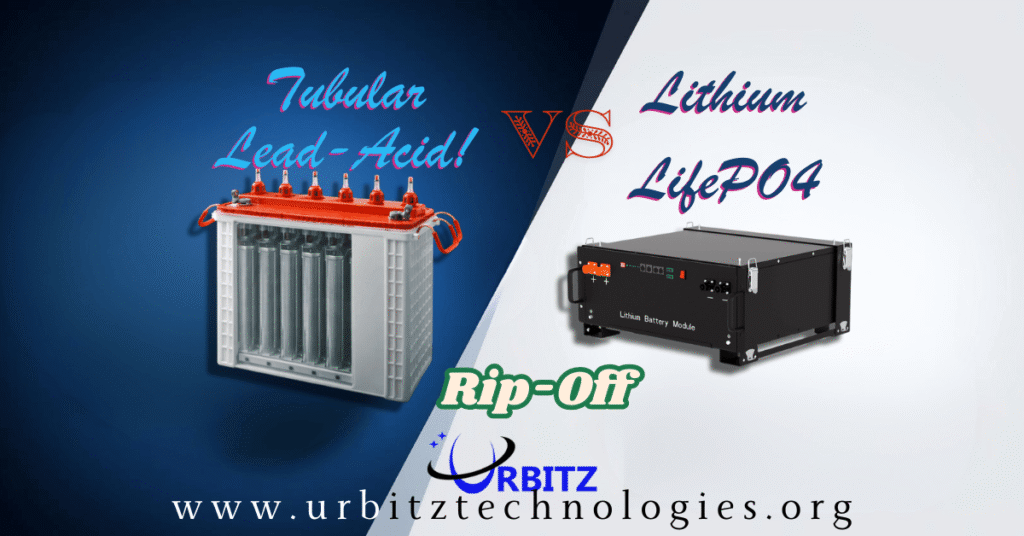
For generations, the dependable tubular lead-acid batteries have powered Nigerian homes and businesses through outages. But the energy storage landscape is shifting. Enter lithium batteries: sleeker, lighter, and boasting game-changing performance. Moving beyond the outdated perception of high cost, this article reveals how affordable lithium options are now competing directly with lead-acid on price—and leaving them far behind in performance.
Understanding the Contenders
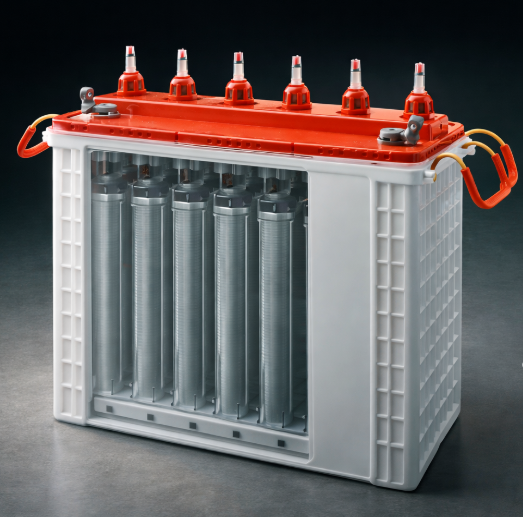
Tubular Batteries
- Flooded lead-acid technology with tubular plates
- Tried and tested in Nigeria’s challenging power conditions
- Typically, last 3-5 years with proper maintenance
- Require regular water top-ups and ventilation
Lithium Batteries (The Newcomer)
- Typically, Lithium Iron Phosphate (LiFePO4) chemistry
- Maintenance-free operation
- Claimed lifespan of 8-15 years
- Lightweight (about 1/3 the weight of tubular)
- Higher depth of discharge (80-90% vs 50% for tubular)
- Faster charging capability
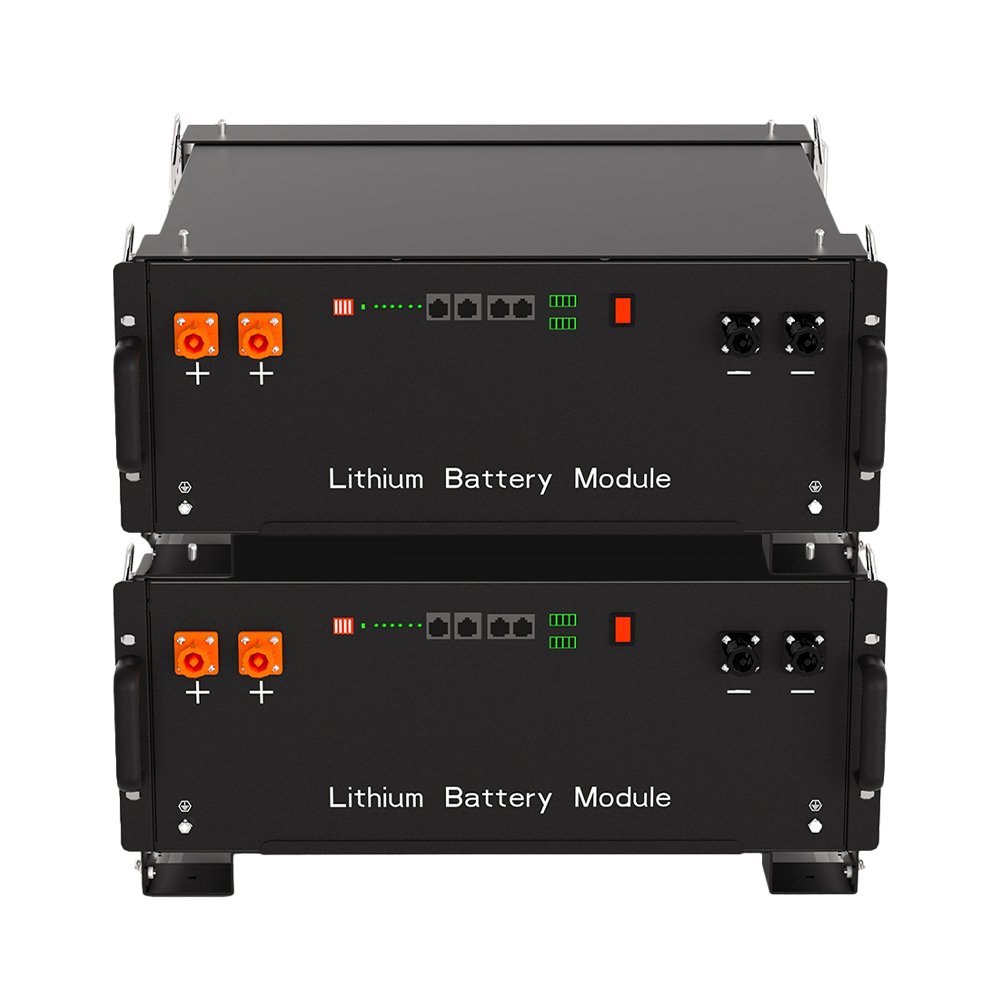
It is worthy of note that while Premium Lithium batteries are more expensive, there are now several Chinese manufacturers offering simple Lithium batteries with prices at par with the Lead-acid alternative.
The Depth of Discharge (DoD) dichotomy:
Think of your battery like a fuel tank. DoD is simply how much fuel you can safely use before you must refill (recharge). It’s expressed as a percentage.
- 100% DoD: Using all the stored energy (not recommended for most batteries).
- 50% DoD: Using only half before recharging.
Tubular batteries demand careful handling to last a meagre 2,500 to 3000 cycles.
- Recommended Safe DoD: 50%
- Practical Usable DoD for Long Life in Nigerian Conditions: 40-50%
Lithium chemistry is fundamentally more resilient to deep cycling and last as much as 6,000 cycles.
- Recommended Safe DoD: 80-90%
- Commonly Used DoD for Full Lifespan: 80%
This means a 200Ah LiFePO4 battery provides nearly double the usable power of a 200Ah Tubular battery on a single charge. You can power more appliances for longer or use the same appliances for much longer during an outage on the same rating of Lithium battery as compared to a lead-acid battery.
Cost Analysis: Breaking Down the Premium
Taking the foregoing into consideration, let’s now compare the cost of a system providing 5kWhr usable energy with a lead-acid Tubular battery compared to a Lithium option.
- To obtain 5 kWhr over a 10-yr period from a lead-acid battery, you need to install a 10kWhr system due to the 50% DoD requirement.
- Using 220Ah tubular batteries, you will need approximately 4 batteries
- Initial cost: ₦320,000.00 X 4 = ₦1,280,000.00
- Replacement in Year 5: ₦1,280,000.00
- Maintenance cost over 10 years (Regular water top-ups, terminal cleaning) = ₦200,000.00
- Total 10-year cost: ₦2,760,000.00
- Space: Requires ventilation, heavier floor support
Lithium Option:
- Initial cost: ₦1,200,000.00
- Potential replacement: Nil
- Total 10-year cost: ₦1,200,000.00
- Maintenance: Essentially none
- Space: Compact, can be installed in living areas
Surprising Insight: Taking the 50% DoD limitation into consideration, we have demonstrated there is a Lithium option cheaper than tubular lead acid right from the Capex on day 1.
Performance Comparison in Nigerian Conditions
Cycle Life: Lithium batteries typically offer 3000-6000 cycles vs 1200-1500 for tubular. In areas with daily power outages, this difference becomes critical.
Temperature Tolerance: Lithium handles high temperatures better, a significant advantage in Nigeria’s climate.
Efficiency: Lithium batteries are 95-98% efficient vs 70-80% for tubular. This means less wasted solar energy or inverter power.
Safety: Modern LiFePO4 batteries are thermally stable and don’t emit hydrogen gas (unlike tubular), making them safer for indoor installation.
The Environmental Angle
Lithium batteries have a smaller carbon footprint over their lifespan and are more easily recycled in proper facilities. As Nigeria grows more environmentally conscious, this factor may gain importance.
The Nigerian Context: Why This Debate Matters
Nigeria’s unique energy landscape makes this discussion particularly relevant:
- Frequent grid outages mean batteries cycle (charge/discharge) more frequently
- High temperatures affect battery performance and lifespan
- Rising electricity costs make efficiency more valuable
- Solar adoption is growing, requiring compatible storage solutions
- Lack of industry regulation means that there are installers that will sell a Lead Acid solution to make more money or simply out of outdated know-how.
Verdict: Are They Worth It?
Lithium batteries now represent the better option where cost and efficiency are the prime considerations. Especially under the following conditions.
- You experience daily outages – The cycle life advantage pays off
- You have solar panels – Efficiency gains are significant
- You prioritize convenience – Maintenance-free operation has real value
- You plan long-term – They last 2 to 4 times as long as the tubular batteries.
However, tubular batteries could still make sense when:
- Initial budget is the primary constraint and minimal capacity is required.
- Power outages are infrequent
- The system is required only for a short duration.
- You have a good maintenance routine
- Your system is already optimized for lead-acid
Final Recommendation
For many Nigerians facing daily power challenges, adopting the lithium option today means greater savings and reliability tomorrow. The gap isn’t just about technology—it’s about which solution truly meets Nigeria’s unique power realities. For most of the applications today, a lead acid solution is ill-advised.
Have you switched to lithium or sticking with tubular? Share your experiences in the comments below—your insight could help others make this important decision for their homes or businesses.